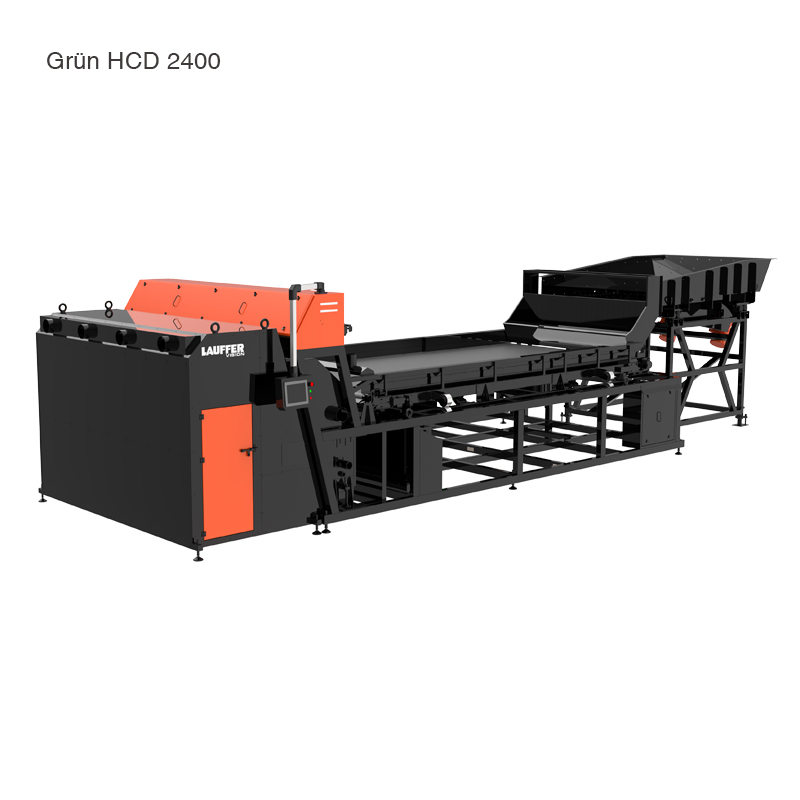
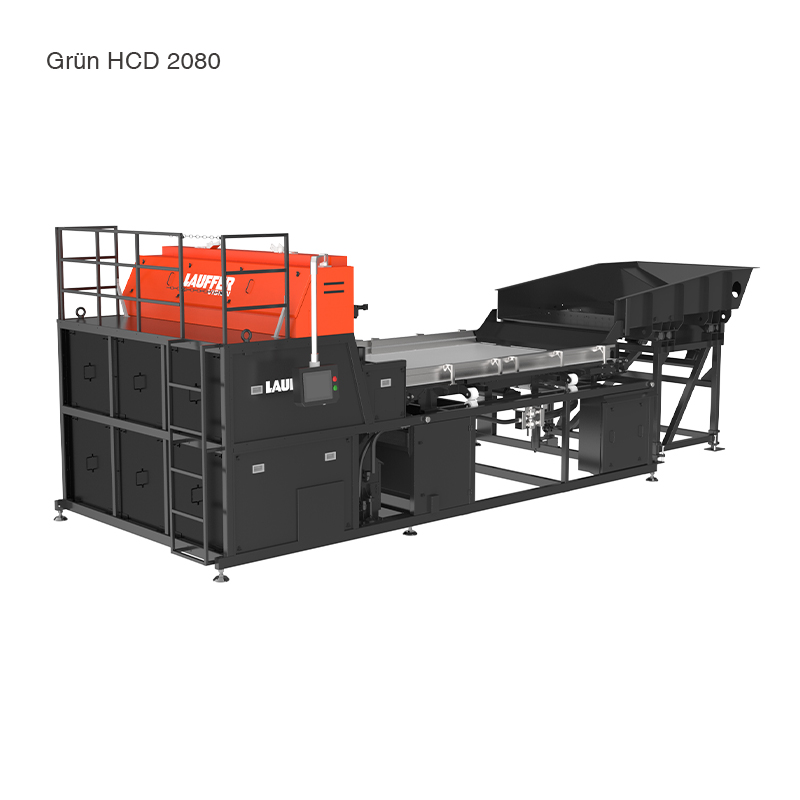
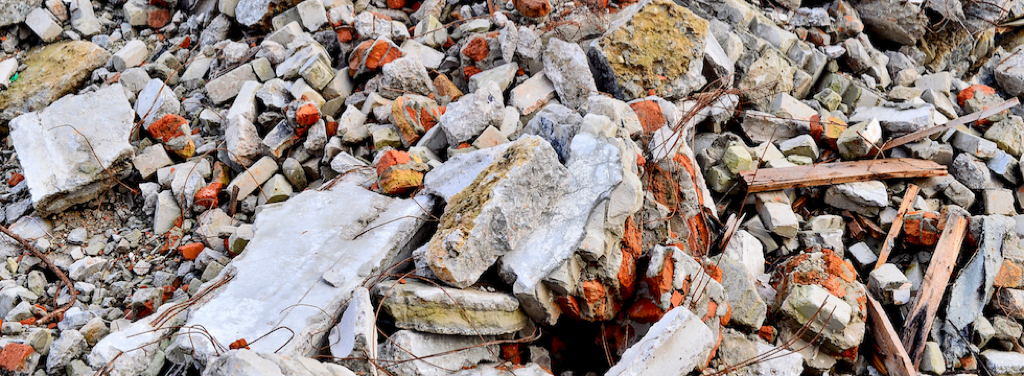
Construction and demolition waste presents a sorting challenge defined by extreme material diversity and abrasive operating conditions: C&D waste streams contain a dense, unpredictable mixture of aggregates, wood, metals, plastics, gypsum, and inert debris, all varying widely in surface features, and arriving in volumes that make manual sorting both economically unviable and operationally inconsistent.
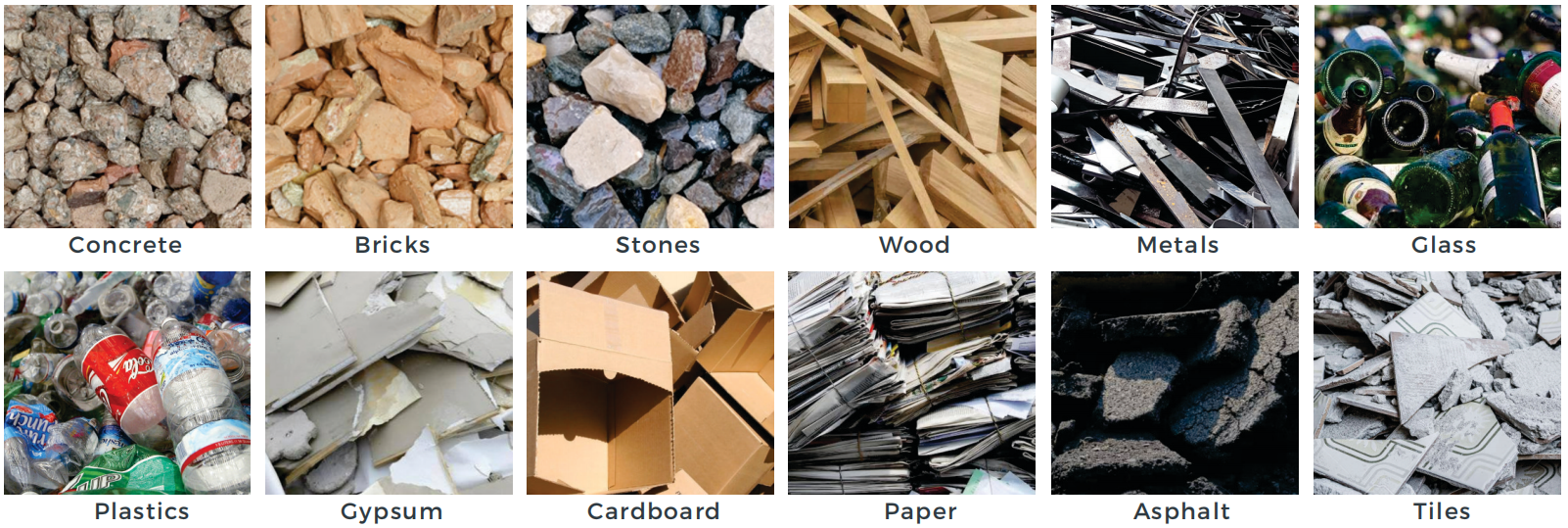
The Grün HCD Series is an intelligent machine-vision-based sorting system tailored for this exact scenario. It employs high-resolution RGB (HR-RGB) VIS imaging and proprietary AI deep learning algorithms to perform real-time scanning and surface feature analysis of complex construction and demolition waste streams. Combined with high-performance air ejectors, the system efficiently identifies and separates key material fractions, including aggregates, wood, metals, plastics, and gypsum.
Empowered by AI-driven surface feature recognition algorithms, the system can conduct deep learning training based on real production data, continuously optimizing the machine vision detection accuracy. This means the equipment’s performance is not fixed at the time of factory shipment; instead, it continuously adjusts and improves with the accumulation of production data, delivering stable and reliable sorting performance to help processors transform complex demolition debris into clean, high-value secondary raw materials, and meet the demanding quality standards of downstream recycling and construction applications.
Technical Features
●High-Resolution RGB (HR-RGB) Imaging
Clearly presents surface features of the material, providing reliable image input for AI algorithms. Efficiently identifies C&D waste streams (e.g. aggregates, wood, metals, plastics, and gypsum).
●Proprietary AI Deep Learning Algorithms
Trained against comprehensive identification and sorting standards, the system uses deep learning to replicate the surface-feature judgment logic of manual picking. The AI model can be continuously optimized with new production data, driving ongoing improvements in sorting accuracy.
●High-Intensity LED Illumination
Maintains a constant imaging environment with clear, stable images unaffected by ambient light variations, ensuring consistent detection results across different periods and batches.
●High-Performance Air Ejector
Equipped with in-house, high-power, high-speed air ejectors, the system delivers high-precision material rejection and ensures long-term stable operation even under high-throughput sorting conditions.
Typical Applications
●Mixed C&D Waste SortingAutomated sorting of mixed C&D waste into key material fractions — including wood, metals, plastics, aggregates, and inert materials — improving recycling efficiency, product quality, and material recovery.
●Aggregates Recycling
High-precision sorting of C&D waste — including concrete, bricks, ceramics, and mixed aggregates — based on surface features, delivering high-purity recycled aggregates suitable for construction and infrastructure applications.
●Wood Waste Recycling
Real-time identification and removal of impurities — including stones, metals, plastics, and inerts — from wood waste streams, producing cleaner wood fractions suitable for engineered wood, panel, or biomass applications.
●Metal Waste Recycling
Removal of residual ferrous and non-ferrous metals — including cables and grain sizes as small as 3 cm — from mixed C&D waste streams, supporting high-quality metal recovery and cleaner downstream recycling.●Plastics & Light Fraction Separation
Separation of plastics, foils, foams, and other light fractions from C&D waste streams, improving the purity of recyclable materials and reducing contamination in downstream recycling processes.●Gypsum & Problematic Contaminant Separation
Identification and removal of gypsum and other problematic contaminants from C&D waste streams, helping to protect product quality and support safe, compliant recycling.
Specifications
Detection
Width
(mm)
Air Pressure
(Mpa)
Air Consumption
(m³/min)
Power
(kW)
Unpacked
Weight
(kg)
Dimension
(mm)
Grün HCD2080
Grün HCD2400
Specifications are approximate and subject to change without notice. Lauffer Vision reserves all rights for modifications.
Model
Air Nozzles
Voltage
2080
192
0.6-0.8
≤21
380V~50/60Hz
7.6
4400
8593×2780×2564
2400
120
0.6-0.8
≤45
380V~50/60Hz
18.4
6700
11300×3380×2665